Visceral fat, often referred to as “hidden fat,” is stored deep within the abdominal cavity and wraps around your internal organs. While subcutaneous fat sits just under the skin, visceral fat is more dangerous to your health. It plays a significant role in metabolic disorders and increases the risk of serious conditions like cardiovascular disease, type 2 diabetes, and certain cancers.
At Arekai Imaging, we use advanced body composition scans to provide precise measurements of visceral fat, empowering patients and healthcare providers to make informed decisions about managing and reducing health risks.
What Is Visceral Fat?
Visceral fat is different from the fat you can pinch. This type of fat accumulates around organs such as the liver, pancreas, and intestines. It is metabolically active, meaning it can influence hormones and other biological functions, which leads to inflammation and increased risks of serious diseases.
Excess visceral fat is linked to:
- Cardiovascular disease: High levels of visceral fat increase the risk of heart disease and strokes.
- Type 2 diabetes: Visceral fat affects how your body responds to insulin, raising your risk of developing insulin resistance and diabetes.
- Metabolic syndrome: A combination of conditions including high blood pressure, high blood sugar, and unhealthy cholesterol levels.
- Certain cancers: Increased visceral fat has been linked to a higher risk of colorectal cancer and breast cancer.
Why Measuring Visceral Fat Is Crucial
Traditional methods of tracking fat, such as weight scales or BMI, don’t differentiate between subcutaneous and visceral fat. You can appear slim on the outside yet carry dangerous levels of visceral fat inside. That’s why accurately measuring visceral fat is critical for managing long-term health and preventing serious medical conditions.
Visceral Fat Assessment with Arekai Imaging
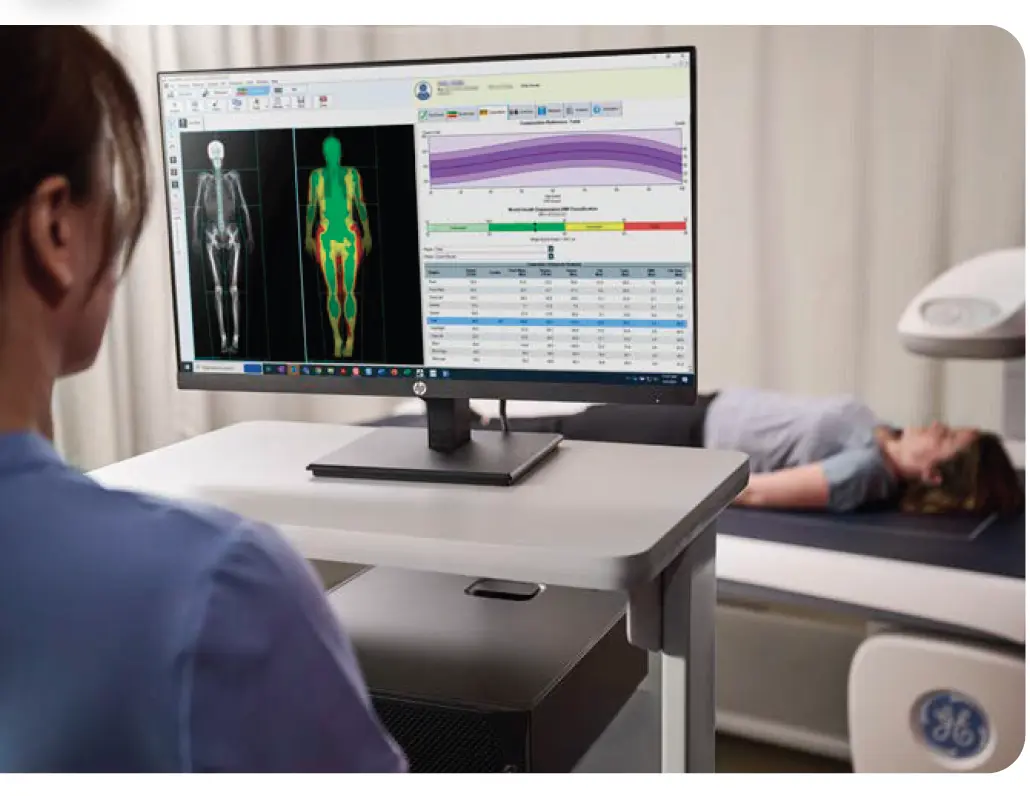
At Arekai Imaging, our advanced DEXA body composition scans, equipped with CoreScan Technology, provide an accurate assessment of visceral fat. CoreScan assesses visceral adipose tissue (VAT) and subcutaneous adipose tissue (SAT) in the android region (the area surrounding the abdomen) and presents these values in user-defined formats. This allows healthcare providers to better understand a patient’s fat distribution and develop targeted strategies to reduce health risks.
- CoreScan Technology: CoreScan assesses both VAT and SAT in the abdominal region, delivering data in statistical formats that help track trends and support better management of metabolic health risks. This technology gives a clear picture of internal fat storage and helps patients take proactive steps toward improving their health.
- Precise Tracking and Reporting: Using advanced analytics, we provide comprehensive reports that include over 200 parameters related to body composition. Our customised reporting helps healthcare providers monitor visceral fat levels over time and track progress.
- Guiding Response to Interventions: Leveraging our experience and expertise, Arekai Imaging provides insights into how visceral fat levels respond to dietary, lifestyle, and activity changes. By monitoring these rates of change, we help healthcare providers make data-driven, personalised adjustments to interventions, ensuring more effective and timely health improvements.
Who Should Consider a Visceral Fat Assessment?
A visceral fat assessment may be recommended for individuals who:
- Have a family history of cardiovascular disease or diabetes: If you have a genetic predisposition to these conditions, knowing your visceral fat levels can help manage risks.
- Are overweight or obese: Those carrying excess weight may have higher levels of visceral fat, even if their BMI does not indicate obesity.
- Have a sedentary lifestyle: Lack of physical activity can contribute to the accumulation of visceral fat, which may not always be reflected in total body weight.
- Have metabolic syndrome: Individuals with high blood pressure, high cholesterol, or high blood sugar should monitor their visceral fat levels to better manage their condition.
The Impact of Reducing Visceral Fat
Reducing visceral fat can improve overall health outcomes significantly. Losing visceral fat can lower blood pressure, improve cholesterol levels, and reduce insulin resistance, lowering the risk of type 2 diabetes. A combination of regular physical activity, targeted dietary changes, and healthcare interventions can help in managing visceral fat and reducing its associated risks.
How Arekai Imaging Can Help
At Arekai Imaging, we use the latest DEXA technology and CoreScan to provide accurate assessments of visceral fat. Our specialist-led team ensures every scan is performed with precision, offering comprehensive reports that help guide your healthcare provider in making informed decisions about your health. We also follow research-based protocols for scan preparation and acquisition, ensuring consistent and reliable results.
Ready to Learn More?
If you’re concerned about your visceral fat levels or want to take a proactive approach to managing your health, talk to one of our referral partners or contact us for more information.